Last Updated: April 17, 2026 · Medically Reviewed by Dr. Marcus Chen, MD
Quick Summary: Cinnamon extract contains cinnamaldehyde and MHCP — bioactive compounds that research has linked to improved insulin signaling. A 2013 meta-analysis of 10 randomized trials documented modest but statistically significant reductions in fasting glucose and lipid markers. The effect is meaningful when combined with other ingredients; modest on its own.
Most people think of cinnamon as a kitchen spice. The bark of Cinnamomum species has been a staple of cooking and traditional medicine for thousands of years — going back to ancient Egypt, where it was valued above gold. What separates culinary cinnamon from cinnamon used in blood sugar supplements is concentration. A teaspoon of ground cinnamon in oatmeal contains a small amount of the active compounds. A standardized cinnamon extract in a supplement delivers many times that concentration per dose — enough to produce measurable metabolic effects.
Not all cinnamon is the same. The two commercially important species are Cinnamomum cassia (cassia cinnamon, sometimes called Chinese cinnamon) and Cinnamomum verum (true cinnamon, also called Ceylon cinnamon). Cassia cinnamon is what most Americans consume as "cinnamon" — it's cheaper, more potent in flavor, and contains higher levels of cinnamaldehyde but also higher coumarin content (which can be liver-toxic at high doses). Ceylon cinnamon has milder flavor, lower cinnamaldehyde, and minimal coumarin. Most supplements use cassia extract but carefully controlled for coumarin content — the goal is cinnamaldehyde and MHCP without the coumarin concerns.
Cinnamaldehyde is the primary bioactive — it's what gives cinnamon its characteristic flavor and aroma, and it's the compound most studied for metabolic effects. MHCP (methyl-hydroxychalcone polymer) is a specific polyphenol found in cinnamon that research has linked to insulin mimetic activity — meaning it appears to activate some of the same cellular pathways insulin does. Together, these compounds drive cinnamon's insulin-sensitivity effects.
The most cited research on cinnamon and blood sugar is a 2013 meta-analysis published in the Annals of Family Medicine. The analysis pooled results from 10 randomized controlled trials involving 543 patients with type 2 diabetes. Cinnamon supplementation produced statistically significant reductions in fasting plasma glucose, total cholesterol, LDL cholesterol, and triglycerides compared to placebo (PMID 24019277).
The effect sizes were modest — cinnamon isn't a standalone diabetes treatment. But modest, consistent effects from a well-tolerated natural compound are still clinically meaningful, particularly as part of a broader blood sugar support approach.
The leading mechanism is improved insulin sensitivity at the cellular level. Research suggests cinnamon bioactives enhance the activity of insulin receptors — making insulin signaling more effective per unit of insulin produced. Secondary mechanisms include antioxidant effects (cinnamon is rich in polyphenols), mild slowing of gastric emptying (reducing post-meal glucose spikes), and modulation of enzymes involved in carbohydrate digestion.
Cinnamon and berberine target different parts of the blood sugar regulation picture. Berberine activates AMPK and directly supports glucose uptake; cinnamon supports insulin signaling so the insulin the body does produce works more effectively. In a combined formula, you're addressing both "more glucose taken up by cells" (berberine's contribution) and "insulin that's trying to move that glucose works better" (cinnamon's contribution). The combination produces additive benefits that standalone berberine or standalone cinnamon doesn't deliver.
Cinnamon extract in supplements is typically dosed 250–500 mg per day — enough to deliver clinically meaningful cinnamaldehyde content. At supplement doses, cinnamon is very well tolerated. The main caution is with cassia cinnamon at high doses over long periods: the coumarin content can affect liver function. Quality supplements use extract controlled for coumarin content to avoid this concern.
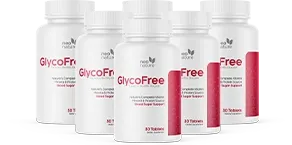
GlycoFree uses concentrated cinnamon extract as part of its insulin sensitivity support axis alongside Alpha Lipoic Acid and Chromium. This three-ingredient combination targets insulin signaling from multiple angles — receptor sensitivity (cinnamon), cellular insulin response (ALA), and the chromium-containing chromodulin complex that enhances insulin receptor activity.
Cinnamon extract has modest but consistent research support for blood sugar metabolism. It works through improved insulin sensitivity — a different mechanism from berberine's AMPK activation. It's well-tolerated, inexpensive to produce, and pairs naturally with other blood sugar support ingredients. Standalone cinnamon supplements produce modest effects. As part of a multi-ingredient formula targeting multiple mechanisms, cinnamon contributes meaningfully to the overall metabolic support picture.